
Looking for the easiest way to clean algae and achieve sparkling clean concrete and tiles without scrubbing? Algae growth is a common problem, but with the right approach, you can restore your hard surfaces to their former glory.
Stubborn algae growth and dirty tiles can take away the beauty of your surfaces and create slippery areas that are unsafe to walk on. Fortunately, there are effective methods to tackle these issues without resorting to strenuous scrubbing.
Tile cleaners like Chemron’s Tile Clean cut down tough stains and grime without scrubbing. Our powerful solution is designed to remove algae tiles without damaging surfaces. Similarly, an algaecide like Algae Died B targets and removes algae, mildew, mould, and bacteria, for long-lasting cleanliness for your concrete surfaces.
Investing in the right cleaning products will help you extend the lifespan of your tiles and concrete surfaces.
Tile Clean
Tile Clean is your go-to solution for heavy-duty cleaning. It has been specifically formulated to tackle a variety of organic and non-organic contaminants, including calcium, rust, uric acid, mineral salts, bore-water stains, chlorine staining, algae, moss, mildew, and mould. Its versatility makes it ideal for deep cleaning of bathrooms/outdoor areas, post-construction cleanups and restoring old surfaces.
Here’s why you should choose our tile cleaner:
- Powerful Cleaning Action: Removes built-up grime and tough stains
- Versatility: Effective on a range of surfaces including porcelain, natural stone, paving, and all masonry and tiled surfaces
- Easy to Use: Simple and low-effort application process with impressive results.
For more details, check out the
Tile Clean product page.
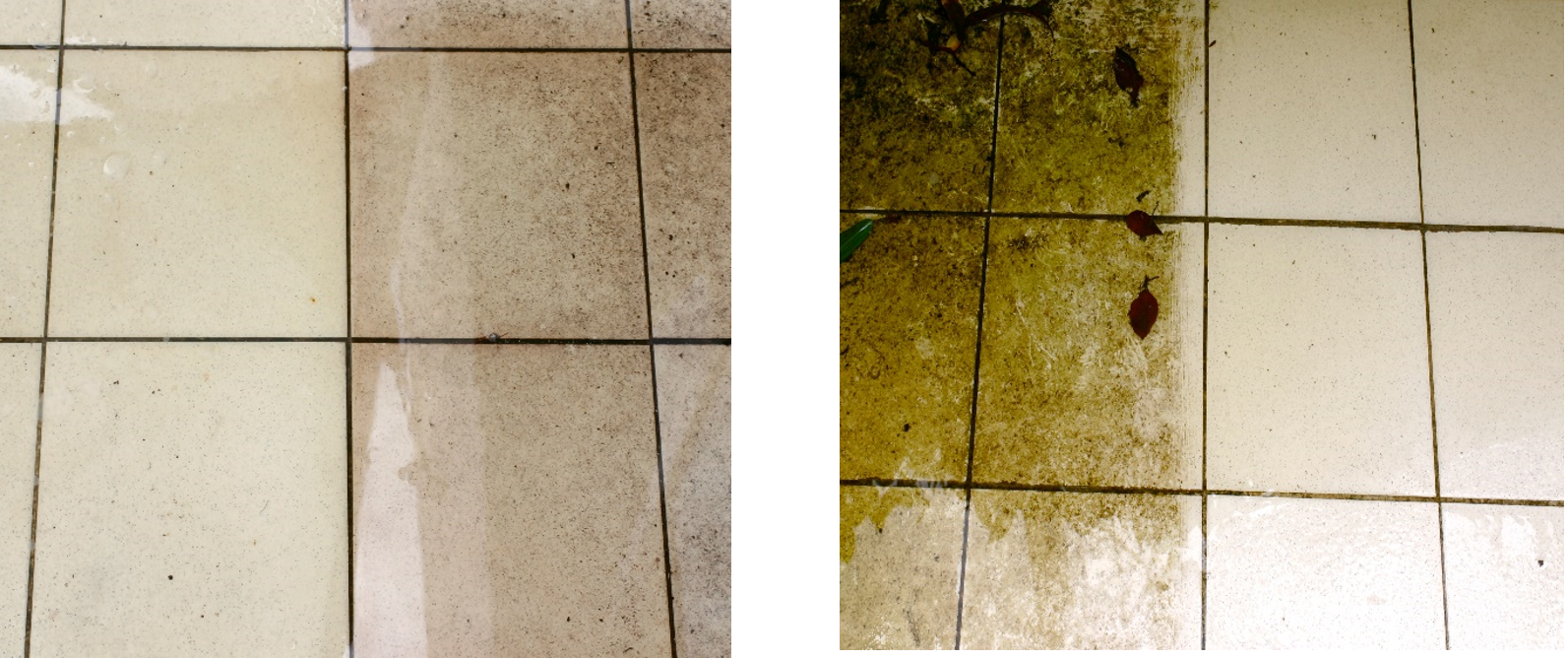
How to Remove Algae from Tiles
Chemron’s Tile Clean operates through a combination of chemical reactions and cleaning agents. The powerful acids in the formula break down and dissolve mineral deposits and other tough stains. The cleaning agents help the solution spread evenly, penetrate deep into grime, and lift away dirt. This ensures a thorough and efficient cleaning process, leaving your tiles and surfaces spotless.
- Prepare the Surface: Remove any loose debris with a broom or pressure washer
- Dilute the Solution: Mix 1 part Tile Clean with 20 parts water
- Apply the Cleaner: Use a brush or sprayer to apply the solution, starting from the bottom for vertical surfaces
- Agitate: Scrub the surface with a brush to loosen stubborn stains
- Dwell Time Allow the solution to sit for 1-2 minutes without drying
- Rinse Thoroughly: Rinse the surface with a mixture of solvent and water
- Repeat if Necessary: For heavily soiled areas, repeat the process.
Algae Died B
How Does Algae Growth Occur?
Algae are simple, plant-like organisms that thrive in moist, sunlit environments. They are commonly found in places where water is present, such as pools, fountains, pathways, and any surface that remains damp for extended periods. Algae can cause slippery surfaces, and green patches, and can even damage the materials they grow on over time. Controlling algae is crucial for safety and maintenance.
Easiest Way to Clean Algae from Concrete
Algae Died B is a highly effective algaecide designed to control algae, mildew, mold, and bacteria on various surfaces. Its concentrated formula makes it economical, and its foaming action ensures better adhesion and longer contact time with the affected areas.
Here’s why you should consider our algae killer:
- Concentrated Formula: Offers long-lasting and effective algae control.
- Safe and Odourless: Safe around plants and lawns, chlorine-free, and odourless.
- Versatile Applications: Effective on pathways, driveways, sports fields, pools, and more.
For more information, visit the
Algae Died B product page.

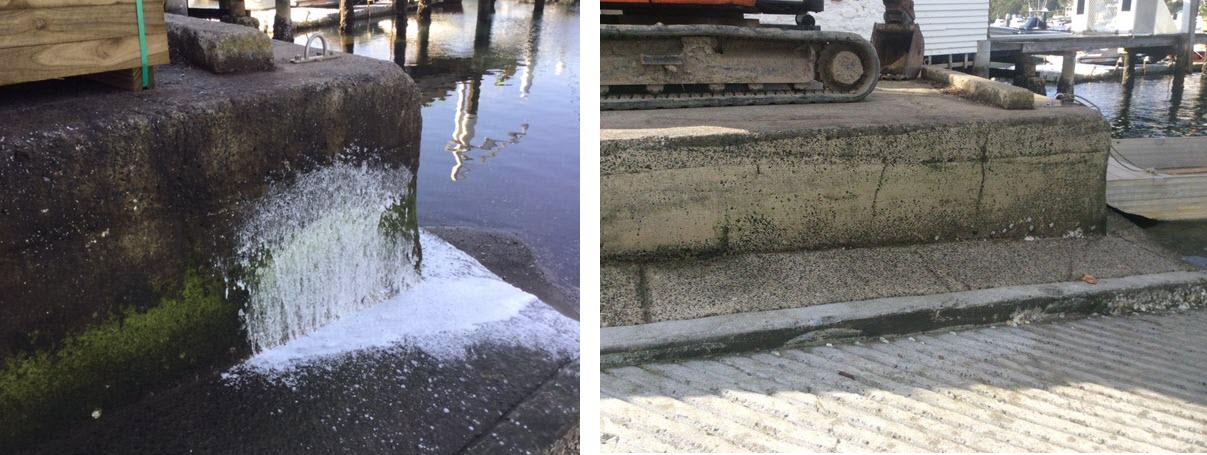
How to Remove Algae From Concrete
Algae Died B is a quaternary ammonium compound, which means it effectively kills algae and other microorganisms by disrupting their cell membranes. This action prevents the algae from growing and reproducing, ensuring a clean and algae-free surface.
Step-by-Step Guide to Using Algae Died B
- Dilute the Solution: Depending on the severity of the algae, mix Algae Died B with water. For light applications, use 30ml of Algae Died B per 5L of water.
- Apply the Solution: Spray the mixture onto the affected areas. For vertical surfaces, use a foaming gun for better adhesion and effectiveness.
- Allow to Dry: Let the solution dry on the surface. Do not rinse it off.
- Reapply if Necessary For heavy algae growth, you might need to reapply the solution
Extra Tips Maintaining Algae-Free Tiles & Concrete
- Regular Cleaning >Regularly clean your tiles and surfaces to prevent the buildup of grime and algae.
- Seal Your Surfaces: Use a penetrating sealer like Shield It to protect surfaces from future staining and algae growth.
- Maintain Proper Drainage: Ensure that water does not accumulate on surfaces by keeping gutters and drains clear.
- Reduce Shade and Improve Sunlight Exposure: back plants and trees to increase sunlight exposure, which helps prevent algae growth by reducing damp conditions.
By following these steps and using Chemron’s Tile Clean and Algae Died B, you can keep your surfaces looking clean and algae-free. Happy cleaning!


